
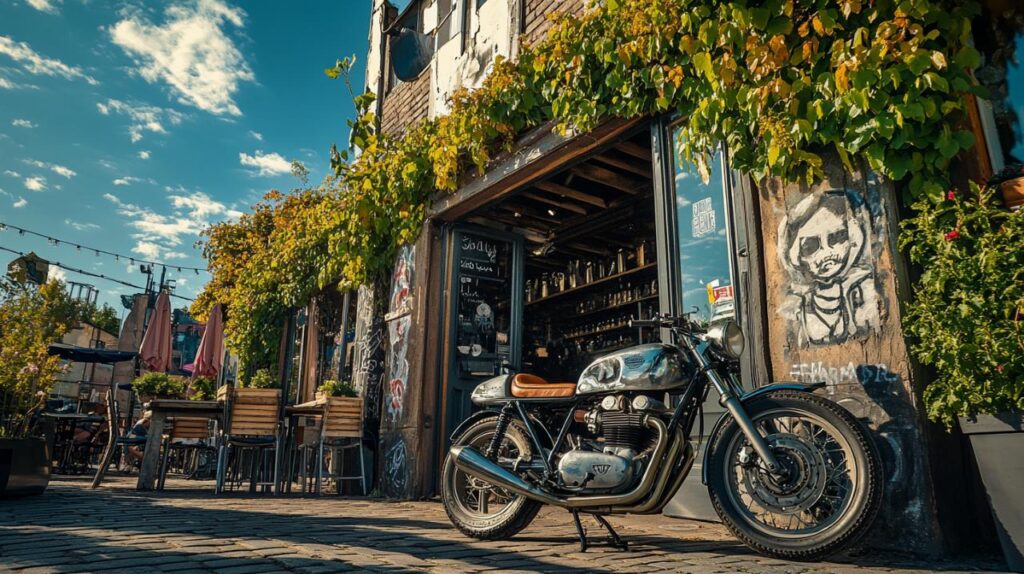
Embarking on a cafe racer motorcycle build is more than just a mechanical project; it's a journey into the heart of British motorcycling heritage. The allure of transforming a stock machine into a head-turning stunner captures the rebellious spirit of the Ton-up boys who once raced between cafes on Britain's A roads during the 1960s. My own adventure began with a Honda CB, a platform renowned for its reliability and vast customisation potential. What followed was a meticulous process of stripping away the unnecessary, enhancing performance, and crafting a machine that embodies both speed and style. This is the story of how I turned a dependable commuter into a British-inspired cafe racer that not only looks the part but rides with the raw connection between rider and machine that defines this iconic genre.
Choosing the Right Donor Bike: Why I Selected a Honda CB for My Cafe Racer Project
Evaluating the honda cb platform: reliability meets customisation potential
When I first set out to build my own cafe racer, the selection of the donor bike was paramount. The Honda CB series immediately stood out as the ideal candidate. Its reputation for bulletproof reliability meant I could focus on aesthetics and performance without constantly worrying about mechanical gremlins lurking beneath the surface. The inline-four engine configuration offers a smooth power delivery that is both predictable and exhilarating, making it a joy to ride once modifications are complete. Beyond the mechanical virtues, the Honda CB has an established aftermarket scene with an abundance of parts and resources available. This accessibility proved invaluable throughout the build, as sourcing components became far less of a headache compared to more obscure platforms. The frame geometry of the CB also lends itself beautifully to the cafe racer aesthetic, with clean lines and ample room for customisation. Whether it was adjusting the subframe to accommodate a sleek solo seat or fitting clip-on handlebars for that aggressive riding stance, the Honda CB adapted to every change with grace. The bike's relatively lightweight construction further enhanced its suitability, ensuring that the finished product would remain nimble and responsive on the open road.
Essential considerations when sourcing your base motorcycle for conversion
Sourcing the right base motorcycle requires a blend of patience, knowledge, and a keen eye for potential. I scoured online marketplaces, attended local auctions, and even visited a few breaker's yards to find a Honda CB that struck the right balance between condition and affordability. It was crucial to inspect the frame for rust or structural damage, as any compromises here would undermine the entire project. The engine's condition was equally important; while I planned to undertake performance enhancements, starting with a solid foundation meant fewer surprises down the line. I also considered the bike's history and mileage, looking for a machine that had been well-maintained but perhaps cosmetically neglected, as this often presented the best value. Originality was less of a concern since my intention was to strip away much of the stock bodywork and components anyway. However, having a complete bike with all its ancillaries intact made the initial teardown far more straightforward. Another factor was availability of documentation and service history, which provided insights into previous repairs and potential weak points. Ultimately, I found a Honda CB that ticked all the boxes: mechanically sound, structurally intact, and priced reasonably enough to leave room in the budget for the extensive modifications I had planned.
The transformation process: stripping down and building up my honda cb cafe racer
Core modifications: tank, seat, handlebars and rearsets installation
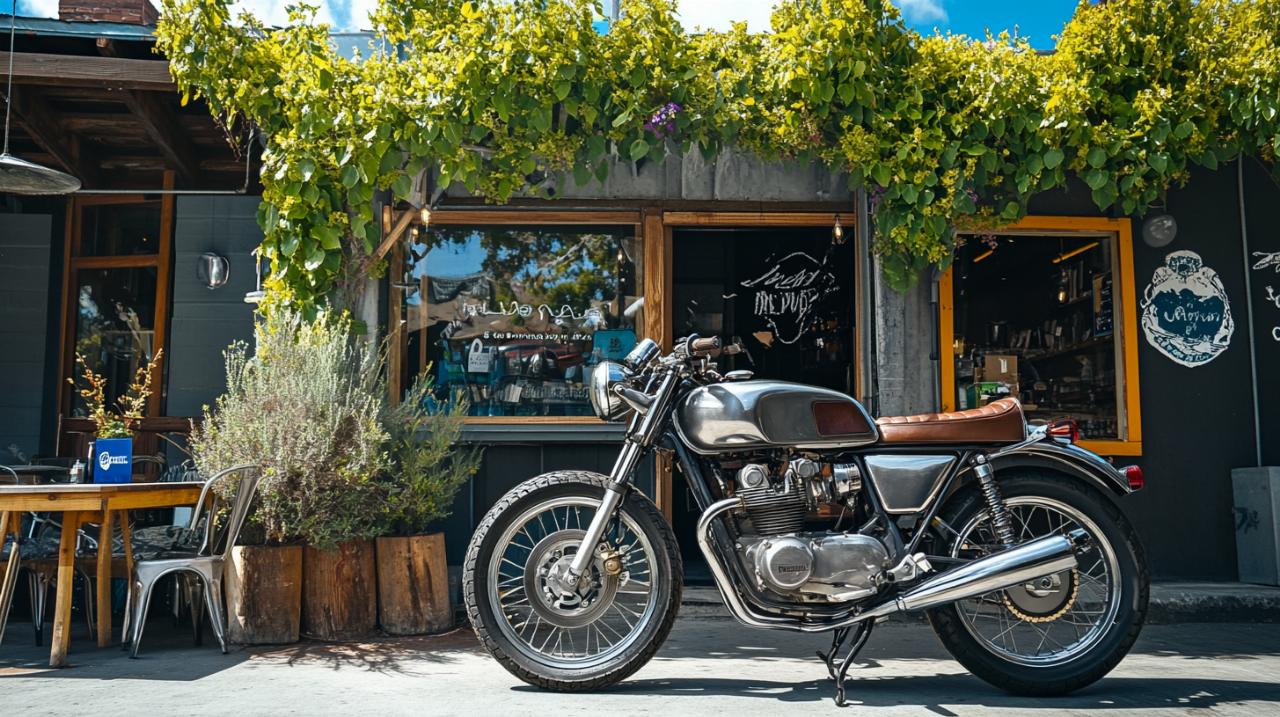
With the donor bike secured, the real work began in earnest. The first task was to strip the Honda CB down to its bare essentials, removing every piece of unnecessary bodywork and ancillary equipment. This process revealed the true character of the frame and highlighted areas that would benefit from modification. One of the most defining changes was fitting a classic, elongated fuel tank that evoked the lines of a Manx Norton. The new tank not only transformed the bike's silhouette but also provided a canvas for a bespoke paint scheme that would later become a centrepiece of the build. Next came the seat, a low-slung bum-stop design that emphasised solo riding and complemented the aggressive stance I was aiming for. Fabricating the seat required careful measurements to ensure it sat perfectly on the modified subframe, which I had shortened and reshaped to create a clean, streamlined rear end. The handlebars were swapped for clip-ons, pushing the rider's posture forward and enhancing the bike's sporty character. This change was more than cosmetic; it fundamentally altered the riding experience, demanding a more engaged and dynamic interaction with the machine. Rearsets followed, repositioning the footpegs higher and further back to improve cornering clearance and provide a more committed riding position. Each of these core modifications required precision and patience, as even minor misalignments could compromise both aesthetics and functionality. The result was a motorcycle that looked purposeful and lean, with every component serving a clear role in the overall design.
Performance enhancements: engine tuning and exhaust system upgrades
A cafe racer isn't merely about appearances; it must deliver the performance to match its aggressive styling. With the bodywork sorted, attention turned to the heart of the machine. The Honda CB's inline-four engine, while already capable, offered significant scope for enhancement. I began by overhauling the carburetion, fitting aftermarket carburettors that provided better throttle response and smoother power delivery across the rev range. This was complemented by a thorough service of the engine internals, including new gaskets, seals, and a valve adjustment to ensure everything was running optimally. The exhaust system received a complete overhaul, with the stock silencers replaced by a custom-fabricated four-into-one setup. The new exhaust not only shed considerable weight but also unleashed a throatier, more characterful note that perfectly encapsulated the cafe racer ethos. Dyno tuning followed, allowing me to fine-tune the fuel-air mixture and ignition timing to maximise performance without sacrificing reliability. The improvements were immediately noticeable; the bike felt more eager to rev, with power delivery that was both linear and exhilarating. Suspension upgrades were also part of the performance package, with new fork springs and adjustable rear shocks transforming the handling. The bike now felt planted and composed, whether carving through corners or blasting down a straight. Braking performance was addressed with braided steel lines and upgraded pads, ensuring that stopping power matched the newfound acceleration. These enhancements collectively elevated the Honda CB from a capable commuter to a genuine performance machine that honoured the speed-focused heritage of the cafe racer movement.
Finishing touches and lessons learnt: completing my british-style cafe racer build
Sourcing authentic cafe racer parts and achieving that classic aesthetic
Achieving an authentic cafe racer aesthetic required sourcing components that honoured the genre's British roots while maintaining a cohesive visual theme. Vintage-style gauges were fitted, their analogue displays providing a tactile connection to the past and a stark contrast to the digital displays found on modern machines. I spent considerable time hunting down period-correct switchgear and controls, ensuring that every detail contributed to the overall authenticity. The paintwork was another critical element; I opted for a classic British Racing Green with hand-painted pinstripes and subtle branding that paid homage to the marques of the 1960s. This colour scheme not only looked stunning but also evoked the era when cafe racers first roared onto the scene. Lighting was updated with small, round headlamps and minimal indicators, further stripping away any superfluous elements. The wiring loom was completely rebuilt, eliminating unnecessary circuits and tidying the entire electrical system to maintain the clean lines of the build. Even the choice of tyres played a role in the aesthetic, with classic tread patterns selected to complement the vintage vibe. Throughout this phase, I relied heavily on specialist suppliers and online forums, where enthusiasts shared advice and recommended reputable sources for hard-to-find parts. The attention to detail during this stage was crucial, as it was the finishing touches that transformed the bike from a collection of components into a cohesive, visually striking cafe racer that truly captured the spirit of the genre.
Road Testing and Fine-Tuning: From Workshop to the Open Road
With the build complete, the moment of truth arrived: road testing. The first ride was a revelation, a blend of excitement and nervous anticipation as I twisted the throttle and felt the cafe racer come alive beneath me. The riding position, dictated by the clip-ons and rearsets, demanded commitment and engagement, placing me in a posture that felt both purposeful and exhilarating. The bike handled beautifully, the suspension upgrades providing confidence through corners while the improved braking ensured I could shed speed with precision. However, the road testing phase also revealed areas that required fine-tuning. The carburetion needed minor adjustments to eliminate a slight flat spot in the mid-range, and the clutch lever position was tweaked to improve ergonomics. I also discovered that the seat, while visually perfect, was somewhat firm over longer rides, prompting me to add a subtle layer of foam for improved comfort without compromising the aesthetic. Each test ride provided new insights, and I meticulously documented every issue and adjustment in a logbook. This iterative process of riding, evaluating, and refining was essential to transforming the cafe racer from a workshop project into a road-ready machine. The lessons learnt extended beyond the mechanical; I gained a deeper appreciation for the craftsmanship and patience required in custom motorcycle building. The experience taught me the value of thorough planning, attention to detail, and the importance of test fitting components before committing to final assembly. By the time I was satisfied with the bike's performance and reliability, I had logged hundreds of miles and made countless small adjustments. The result was a Honda CB cafe racer that not only looked the part but delivered a riding experience that honoured the rebellious, performance-focused ethos of the original Ton-up boys.