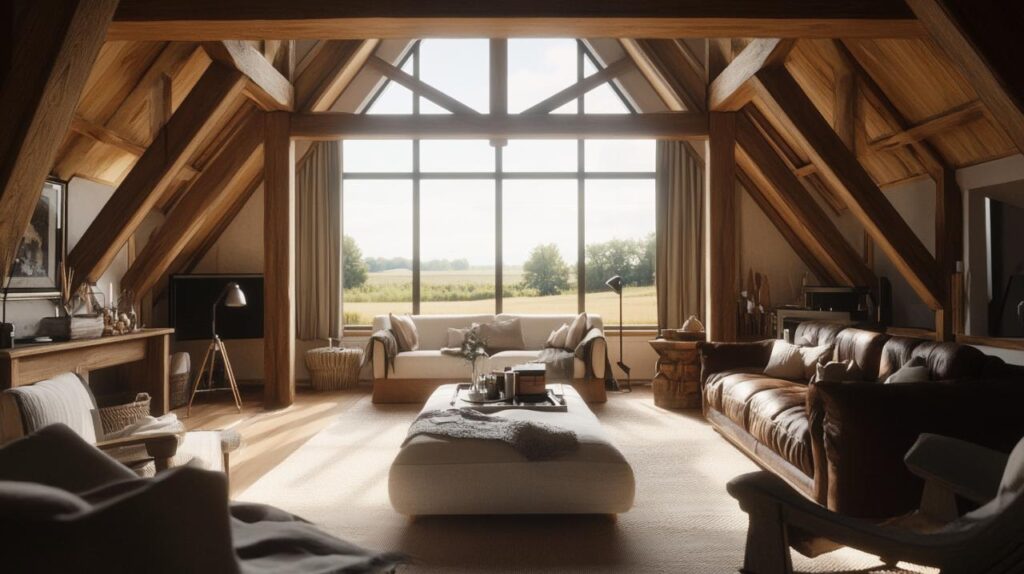
The charm of a countryside home often lies in its tranquillity and connection to nature, but many rural properties hold untapped potential in their attics. Transforming these neglected spaces into luxurious loft areas offers homeowners the opportunity to create bespoke retreats that blend modern comfort with the rustic elegance of their surroundings. A well-executed loft conversion not only maximises space but also adds significant property value, making it a worthwhile investment for those seeking to enhance their rural sanctuary.
Planning your rural loft conversion: from vision to reality
Embarking on a loft conversion requires careful planning and a clear understanding of the feasibility of your project. The first step involves assessing the existing structure to determine whether your attic can support the transformation. Many rural properties feature traditional construction methods that may require reinforcement of floors and, in some cases, foundations to bear the additional weight of a habitable room. Engaging an experienced architect early in the process ensures that your vision aligns with structural realities and that every detail, from headroom requirements to staircase design, is meticulously planned.
Assessing Structural Feasibility and Building Regulations in the Countryside
Before any work begins, it is essential to verify that your property meets the necessary building regulations and planning permission criteria. Rural settings often come with unique restrictions, particularly if the home is located within a conservation area or is a listed building. Consulting with local authorities and obtaining the required planning applications, which typically cost around five hundred and twenty-eight pounds, is a crucial step. Structural reinforcement is almost always necessary, especially for floor joists that were not originally designed to support a living area. Adequate headroom must be ensured, and the means of escape in case of emergencies must comply with safety standards, often requiring a protected staircase design.
Designing for Natural Light and Countryside Views
One of the most appealing aspects of a rural loft conversion is the opportunity to harness natural light and frame stunning countryside vistas. Dormer windows, skylights, and rooflight installations are popular choices that flood the space with sunlight while offering panoramic views of rolling hills or verdant meadows. A thoughtful approach to window placement not only enhances the aesthetic appeal but also improves energy efficiency by reducing reliance on artificial lighting. Light-coloured materials and reflective surfaces further amplify the sense of openness, creating an airy retreat that feels both expansive and inviting. Integrating the new loft design with the existing architecture ensures that the conversion complements rather than clashes with the character of the property.
Creating Premium Comfort: Features and Finishing Touches for Your Country Loft
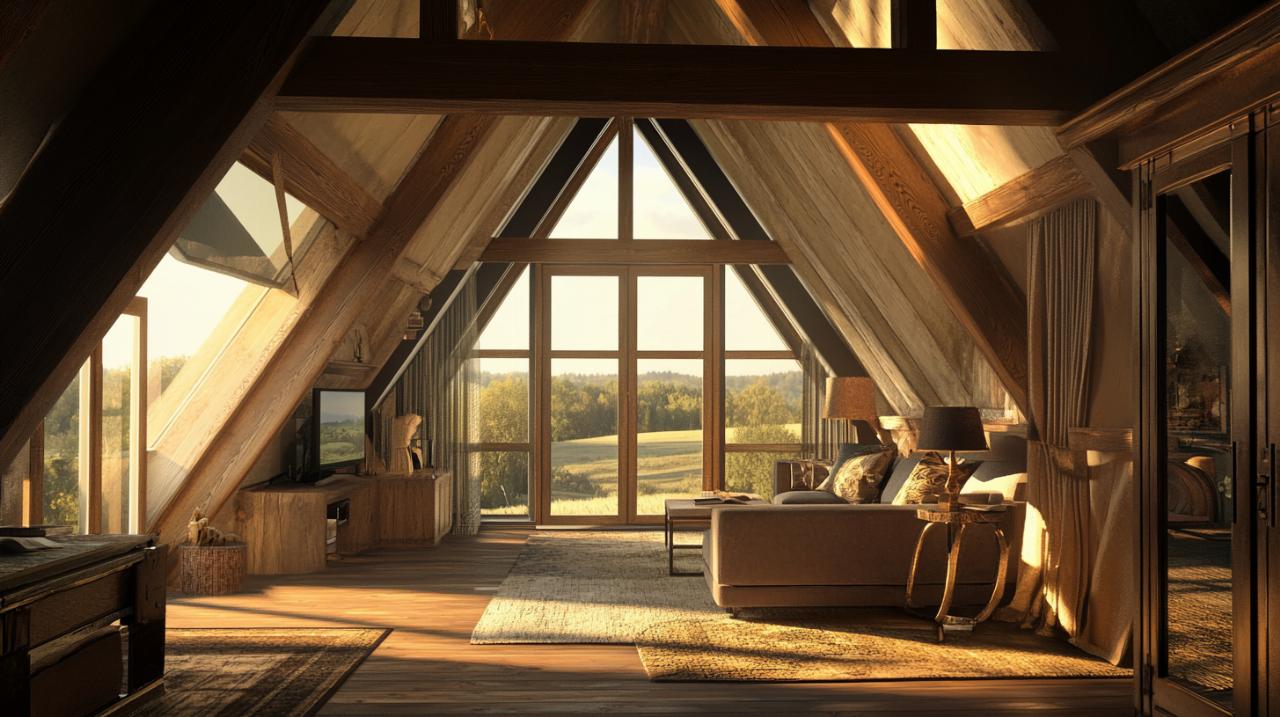
Once the structural and regulatory groundwork is laid, attention turns to the finer details that transform a functional space into a haven of comfort and style. The choice of materials, fixtures, and heating systems plays a pivotal role in defining the ambience of your loft. For those seeking a truly exceptional retreat, opting for high-end finishes and bespoke fittings elevates the space to a level of sophistication that rivals any luxury rural retreat in spain. Every element, from insulation methods to underfloor heating, should be selected with both comfort and energy efficiency in mind.
Selecting high-end materials and bespoke fixtures
The quality of materials used in a loft conversion directly influences both its aesthetic appeal and longevity. Premium hardwood flooring, natural stone accents, and custom-made joinery add a touch of elegance that sets the space apart. Bespoke fittings, such as handcrafted cabinetry or designer lighting, provide a personalised touch that reflects the homeowner's taste. While these choices do increase costs, often pushing the budget from around eighteen hundred pounds per square metre for a rooflight conversion to upwards of twenty-five hundred and fifty pounds per square metre for more elaborate mansard or hip-to-gable conversions, the investment pays dividends in the form of a unique and luxurious living space. Insulation is another critical consideration, with warm roof insulation offering superior energy efficiency by placing insulation on top of the rafters, thereby reducing heat loss and ensuring year-round comfort.
Incorporating rustic charm with contemporary elegance
Achieving a balance between rustic charm and contemporary elegance is key to creating a loft that feels both timeless and modern. Exposed wooden beams, for instance, can be retained and restored to celebrate the property's heritage, while sleek, minimalist furnishings introduce a modern edge. Incorporating natural textures, such as linen drapes or wool rugs, adds warmth and softness, while zinc-clad extensions or architectural integration of glass and steel elements provide a striking contrast. Heating systems should be chosen to complement the design, with radiators offering a traditional aesthetic and underfloor heating delivering discreet, even warmth. Electric radiators are suitable for smaller rooms, though they are more expensive to run compared to central heating systems. Ultimately, the goal is to create a space that feels like a seamless extension of the countryside environment, offering a tranquil escape where modern luxury and rural tranquillity coexist in perfect harmony.