

Safety barriers are far more than physical structures erected around dangerous zones. They represent a deliberate and layered approach to protecting human beings from harm, and their influence extends well beyond the immediate physical boundary they create. Understanding why they work so effectively requires looking not just at their structural properties, but at the profound psychological and behavioural effects they have on everyone who works alongside them.
In brief
- Safety barriers provide more than physical protection; they influence human behavior and decision-making in high-risk environments.
- Engineering controls, such as barriers and isolation mechanisms, are the most reliable risk reduction methods because they eliminate the need for constant human judgment.
- The presence of visible safety measures acts as a non-verbal communication tool that signals risk and encourages a more cautious mindset among workers.
- Robust safety infrastructure reduces the cognitive burden on employees, allowing them to focus on their tasks with increased confidence and productivity.
- Visible safety investments foster a positive workplace culture by demonstrating that an organization values employee wellbeing.
- Effective safety management relies on systemic protection layers rather than individual accountability, shifting the focus from blaming workers to analyzing structural failures.
- Engineering solutions serve as the foundation of a safety strategy, with administrative controls and protective equipment acting as complementary layers.
How safety barriers shape human behaviour in high-risk environments
The Role of Physical Boundaries in Reducing Risk-Taking Tendencies
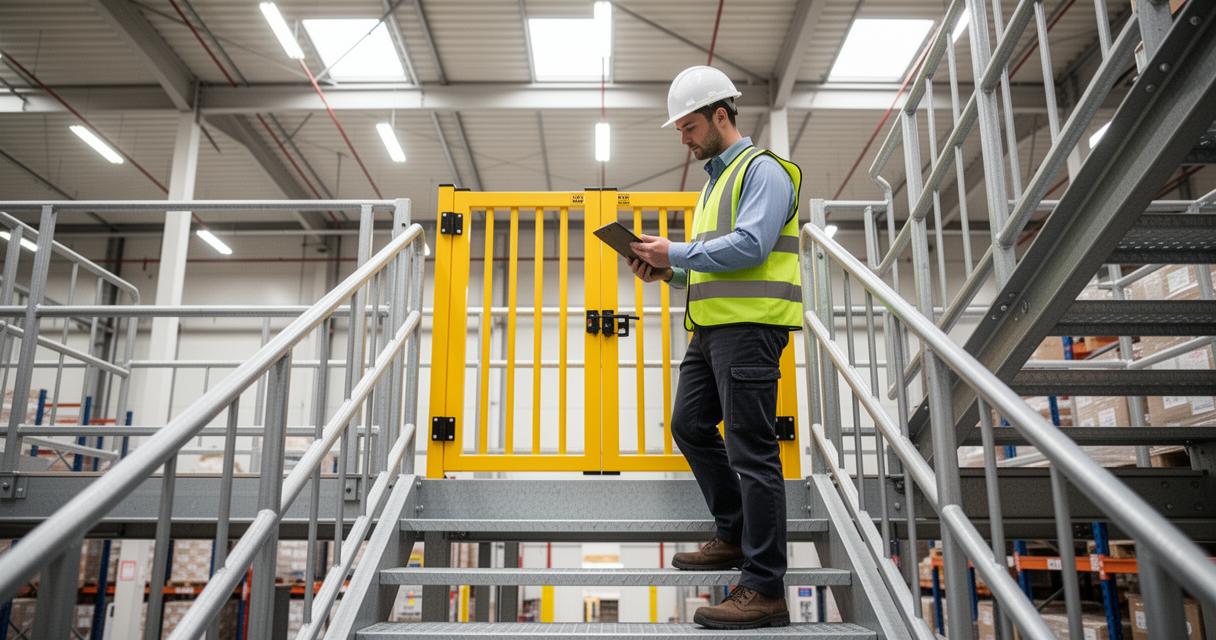
When people operate in environments where hazards are present, the visibility of protective measures plays a critical role in shaping how cautiously they behave. A well-positioned safety barrier does not simply block access to a dangerous area — it communicates risk in a language that is immediately understood. Research into decision making in high-pressure workplaces suggests that individuals experiencing decision fatigue are more prone to cognitive shortcuts, which can undermine even the most carefully designed procedures. Physical controls that remove the need for constant human judgement therefore offer a more reliable layer of protection.
In industries such as manufacturing, construction, and chemical processing, engineering controls are widely regarded as the most effective means of risk reduction. Unlike administrative measures that depend on consistent human behaviour, engineered barriers — including guarding, interlocks, isolation mechanisms, and enclosure — interrupt hazard pathways directly. They are particularly valuable against high-risk incidents involving entanglement, crushing, or sudden energy release, where there is little margin for error.
Why Visible Protection Instils a Sense of Caution and Awareness
There is a compelling psychological dimension to the presence of physical safety measures. When workers can see that an organisation has invested meaningfully in hazard identification and control, it signals that their employee wellbeing is taken seriously. This visibility fosters a heightened awareness of surroundings and encourages individuals to adopt a more cautious mindset — not because they are told to, but because the environment itself nudges them in that direction. Psychological safety in the workplace, which encompasses a person’s sense of security and their willingness to engage openly, is closely linked to the physical cues that surround them.
The broader benefits of safety barriers beyond physical protection
Building Confidence and Reassurance in Hazardous Zones
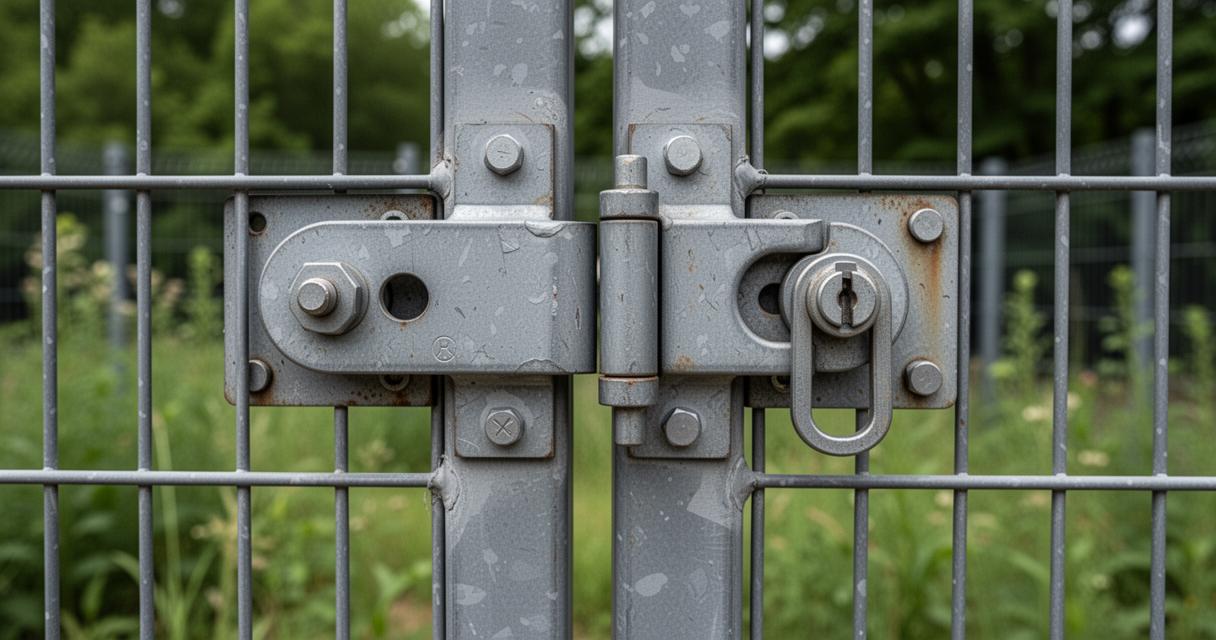
One of the less discussed but equally important effects of robust occupational safety infrastructure is the confidence it instils in workers. When people trust that systemic protections are in place, they are better able to focus on their tasks without the cognitive burden of constantly assessing personal risk. This sense of reassurance is not merely comfortable — it can have a tangible effect on productivity and team engagement. A positive workplace climate, where people feel protected and valued, is consistently identified as a foundational driver of psychological safety.
How Well-Designed Barriers Support a Culture of Safety in the Workplace
Strong organisations treat workplace safety culture as something that is built through layers — not a single rule or a single piece of equipment, but an integrated systemic safety approach. When an incident does occur, the most effective teams examine which layer of protection failed rather than immediately attributing blame to an individual. This shift in perspective — from worker accountability to systemic safety — is one of the most important transformations a workplace can undergo.
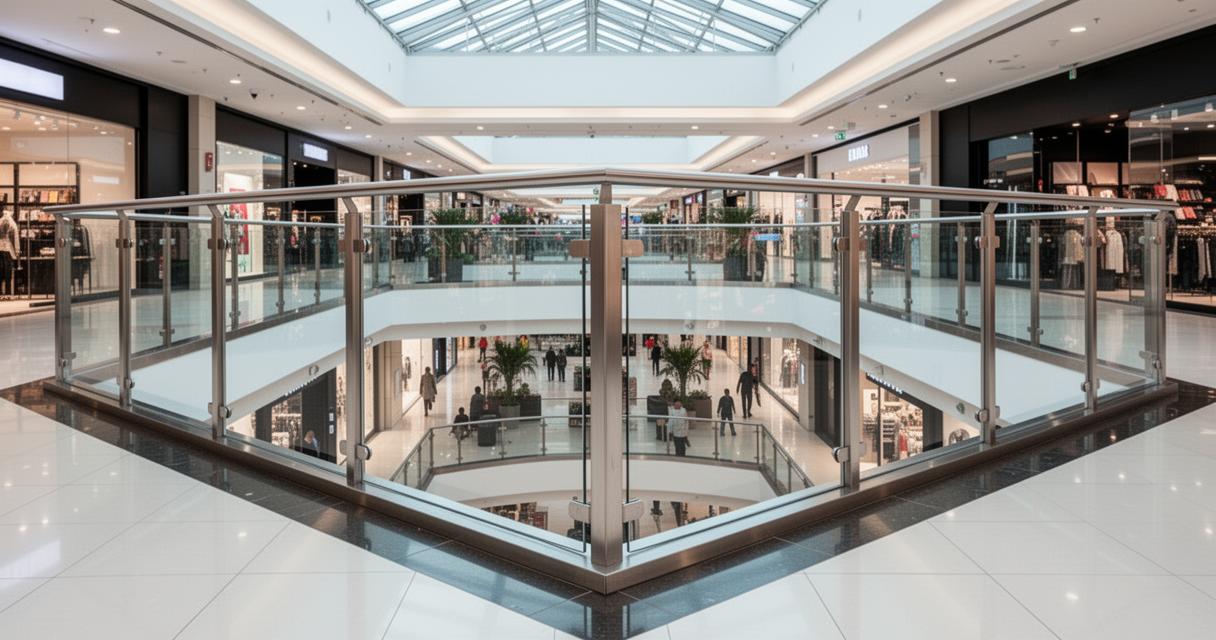
Administrative controls and personal protective equipment remain useful components of any safety strategy, but they are most effective when they complement, rather than replace, solid engineering solutions. Organisations that invest in engineering controls first, and then build complementary layers around them, are better positioned to create environments where both physical and psychological wellbeing are genuinely protected. Ultimately, the most effective safety barriers are those that work quietly in the background — reducing risk, building trust, and allowing people to do their best work.