
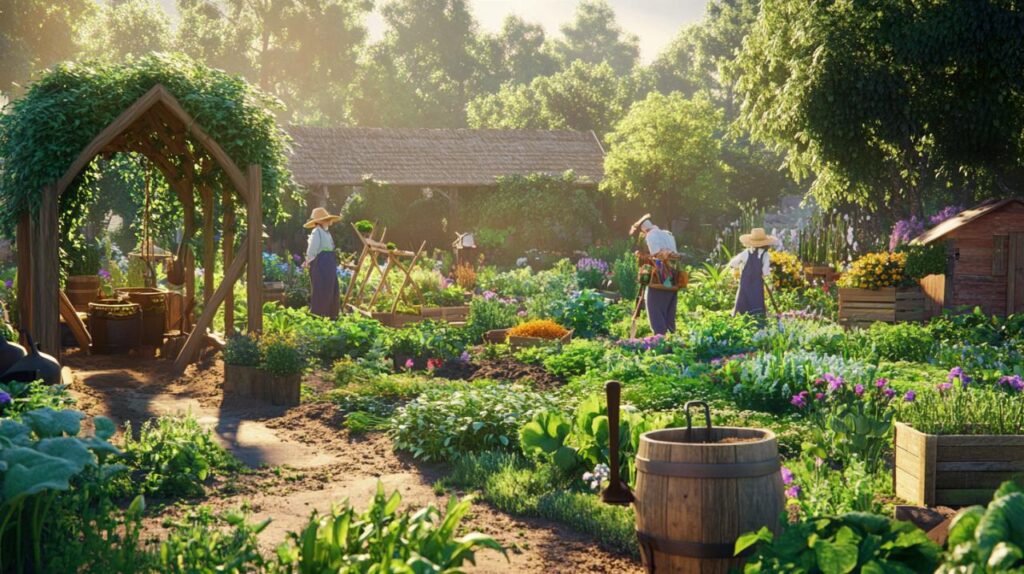
Transforming your outdoor space into an environmentally conscious haven has never been more important, especially as gardeners across the United Kingdom increasingly recognise their role in protecting our natural world. With over twenty million gardens dotting the landscape, each plot represents a unique opportunity to foster wildlife, conserve precious resources, and reduce our collective carbon footprint. Whether you have a sprawling country garden or a modest urban patio, adopting sustainable practices can make a tangible difference to both your immediate surroundings and the broader ecosystem. Embracing these principles not only benefits the environment but also enhances the beauty and productivity of your garden, creating a space that thrives in harmony with nature.
Building a thriving garden whilst protecting our planet
Creating a flourishing garden that supports biodiversity begins with thoughtful plant selection and mindful soil management. The choices you make today will shape the health of your garden for years to come, influencing everything from the insects that visit your flowers to the nutrients available in your soil. By focusing on native species and nurturing the earth beneath your feet, you can cultivate a vibrant outdoor space that requires fewer inputs and delivers greater rewards. These foundational practices form the cornerstone of truly sustainable gardening, allowing you to work with nature rather than against it.
Choosing native plants and creating natural habitats
Selecting plants that naturally occur in your local area is one of the most effective ways to support native insects and birds whilst reducing maintenance demands. Native species have evolved alongside local wildlife over countless generations, forming intricate relationships that benefit both flora and fauna. These plants typically require less watering and are more resistant to local pests and diseases, making them ideal for gardeners seeking to reduce their environmental impact. By incorporating native varieties into your borders and beds, you create a welcoming habitat for pollinators, songbirds, and beneficial insects that help control unwanted pests naturally. Companion planting further enhances this approach, as certain species thrive when grown together, offering mutual protection and encouraging healthier growth. Choosing drought-tolerant plants suited to your local climate ensures your garden remains resilient even during dry spells, reducing the need for supplementary irrigation. For those seeking expert guidance, you can visit casaxalon.es for additional inspiration on creating spaces that blend aesthetic appeal with ecological responsibility. Incorporating wildflowers into your planting scheme provides nectar and pollen for a diverse range of insects, whilst hedges offer superior wildlife habitat compared to traditional fencing, capturing carbon and providing shelter for countless creatures. By embracing native plants and thoughtful design, you transform your garden into a sanctuary that celebrates the rich biodiversity of the British countryside.
Composting and soil health management
Recycling food scraps and garden waste through composting is a simple yet transformative practice that enriches your soil whilst diverting waste from landfill. Compost adds vital organic matter to the earth, improving its structure, water retention, and nutrient content, which in turn supports healthier plant growth and reduces the need for synthetic fertilisers. Making your own compost is remarkably straightforward, requiring little more than a designated bin or heap where kitchen peelings, grass clippings, and pruned plant material can break down naturally over time. The resulting dark, crumbly material is a gardener's gold, offering a free and sustainable source of nourishment for your plants. Mulching your beds with organic materials such as leaf mould or wood chips protects the soil surface, suppresses weeds, and gradually adds nutrients as the mulch decomposes. Creating leaf mould from autumn leaves is an excellent way to reduce waste, as these fallen leaves transform into a rich, crumbly condiment perfect for improving soil texture. Regularly cleaning your growing structures and tools prevents the build-up of pests and diseases, ensuring your garden remains healthy without resorting to chemical interventions. By nurturing your soil through composting and mulching, you establish a self-sustaining cycle that supports vigorous plant growth and minimises the need for external inputs, embodying the very essence of environmental gardening.
Water conservation and resource-efficient garden design
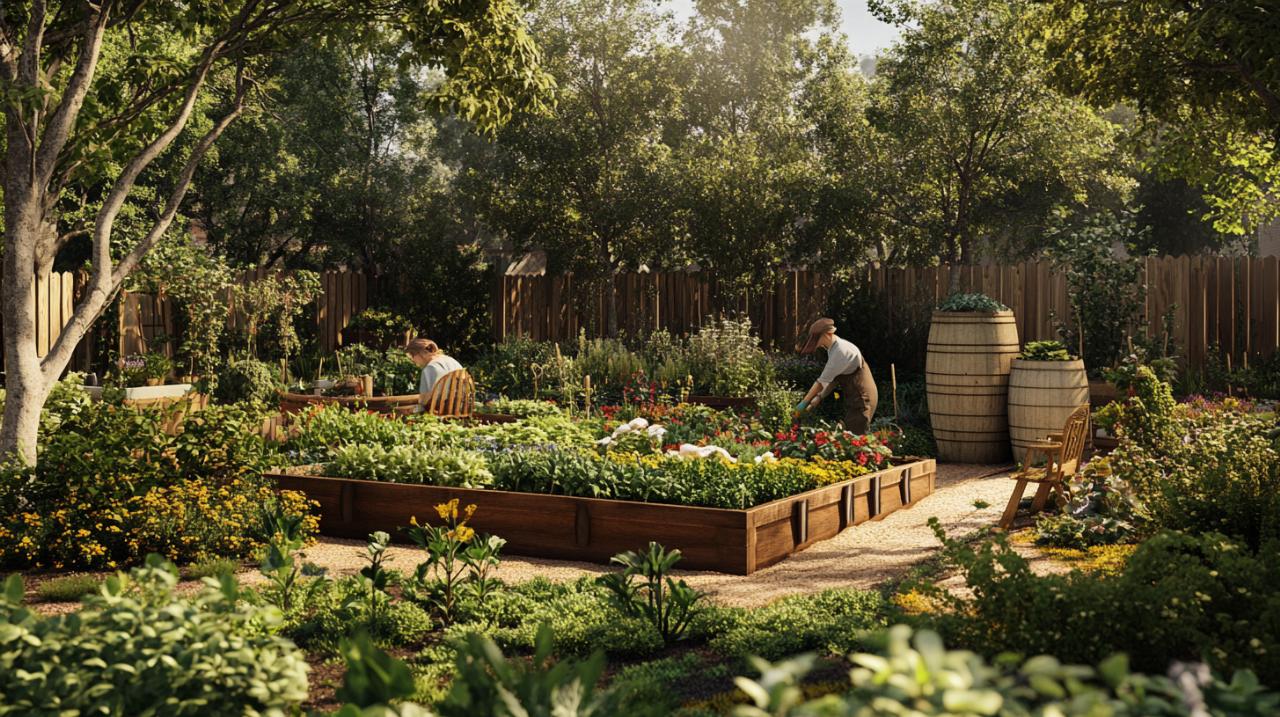
Managing water wisely and reducing waste are central to sustainable gardening, ensuring that every drop counts and that resources are used thoughtfully. As climate patterns shift and water becomes an increasingly precious commodity, adopting conservation strategies not only benefits the environment but also makes practical sense for the conscientious gardener. By capturing rainwater and planning your garden layout carefully, you can create a space that thrives with minimal reliance on mains supplies and produces less waste overall. These approaches reflect a broader commitment to living more lightly on the land, turning everyday gardening tasks into acts of environmental stewardship.
Rainwater harvesting and smart irrigation methods
Collecting rainwater in barrels or tanks is a wonderfully effective way to provide your plants with the hydration they need whilst conserving tap water for essential household uses. Rainwater is naturally soft and free from the chemicals often found in mains supplies, making it particularly beneficial for many plant species. Installing a water butt beneath a downpipe is a straightforward project that yields immediate benefits, allowing you to harness the generous rainfall that the British climate provides. Using this stored water during dry periods reduces your reliance on treated supplies and lowers your overall water consumption, contributing to both financial savings and environmental protection. Smart irrigation techniques, such as drip systems or soaker hoses, deliver water directly to plant roots, minimising evaporation and ensuring that moisture reaches where it is needed most. Watering in the early morning or late evening further reduces losses to evaporation, making every litre count. By adopting rainwater harvesting and thoughtful irrigation practices, you embrace water conservation as a core element of your gardening routine, demonstrating that sustainability and horticultural success go hand in hand.
Reducing waste through clever garden planning
Minimising waste in the garden involves both thoughtful design and creative reuse of materials that might otherwise be discarded. Growing your own fruit, vegetables, and herbs reduces your reliance on shop-bought produce, cutting down on packaging waste and food miles whilst providing you with fresh, flavourful ingredients. Reusing old containers, cardboard boxes, and plastic bottles as seed trays or plant pots extends the life of these items and keeps them out of the waste stream. Gifting surplus seedlings to neighbours or friends fosters community spirit and ensures that your garden's bounty is shared rather than wasted. Before purchasing new equipment or decorative items, consider borrowing tools from friends or seeking out second-hand alternatives, as these choices reduce demand for new manufacturing and lessen your carbon footprint. Creating miniature habitats from pruned branches and twigs offers shelter for beneficial insects and other small creatures, turning what might be garden waste into a valuable resource. Mowing your lawn less frequently saves energy and allows wildflowers to bloom, providing nectar for pollinators and reducing the need for intensive lawn care. By integrating recycling and reusing materials into your gardening routine, you embrace a circular approach that values resourcefulness and respects the planet, proving that a greener home begins with the choices made in your own garden.