
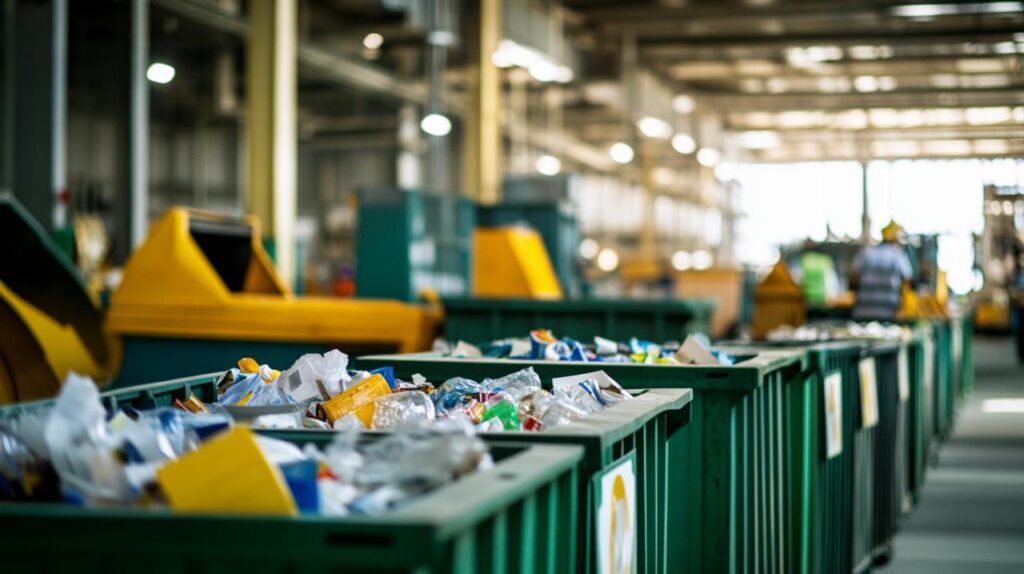
When managing composting and anaerobic digestion facilities across the United Kingdom, understanding the lifecycle of physical assets becomes paramount. From the moment a piece of equipment is purchased to the day it reaches the end of its useful existence, operators must navigate a complex landscape of accounting principles, regulatory compliance, and operational necessity. This handbook explores the intricate world of asset disposal, offering clarity on definitions, operational mechanics, and procedural best practices tailored specifically for professionals overseeing these essential waste management operations.
Understanding Asset Disposal in Composting and Anaerobic Digestion Operations
Defining asset disposal within the waste management sector
Asset disposal refers to the process by which an organisation removes a fixed asset from its financial records and operational inventory. Within composting and anaerobic digestion facilities, this encompasses a wide range of equipment, from large-scale digesters and conveyor systems to smaller machinery such as shredders and mixers. The disposal event occurs when an asset is sold, scrapped, donated, or otherwise removed from service. This action triggers a series of accounting entries that must accurately reflect the financial reality of the transaction. In the waste management sector, assets often face harsh operating conditions, exposure to corrosive materials, and intensive usage patterns, all of which contribute to accelerated depreciation and eventual disposal. Understanding the precise moment when an asset should be retired requires careful assessment of both its physical condition and its economic utility. For facilities operating under tight margins, the decision to dispose of an asset versus continuing costly repairs represents a critical financial judgement that impacts both immediate cash flow and long-term operational efficiency.
The Accounting Framework for Disposal Activities in UK Facilities
The accounting treatment of asset disposal in the United Kingdom follows established principles set forth by Financial Reporting Standards, particularly FRS 102 for smaller entities and International Financial Reporting Standards for larger operations. When an asset is disposed of, the organisation must remove both the original cost and the accumulated depreciation from the balance sheet. The difference between any proceeds received and the net book value of the asset results in either a gain or a loss on disposal, which must be recognised in the profit and loss statement for the period. For composting and anaerobic digestion facilities, this framework ensures transparency and consistency in financial reporting. The disposal process also necessitates careful documentation, often requiring the creation and retention of records in various formats. Many organisations maintain comprehensive archives that include purchase invoices, maintenance logs, depreciation schedules, and disposal certificates. These documents may be stored in digital formats, sometimes as PDF files, which offer universal accessibility and long-term preservation. Modern document management systems frequently utilise PDF version 1.6 or later, which supports advanced compression algorithms such as the FlateDecode filter to reduce file sizes while maintaining document integrity. Within these files, the underlying structure consists of objects and streams that encode text, images, and metadata. Cross-reference tables within the document architecture enable efficient navigation and retrieval, with each entry identified by a unique index and ID. The size of these files can vary considerably depending on the volume of supporting documentation, but efficient compression ensures that even extensive records remain manageable within standard storage systems.
Operational mechanics: how disposal procedures function in practice
Step-by-Step Disposal Processes for Fixed Assets and Equipment
The practical execution of asset disposal begins well before the physical removal of equipment from a facility. Initially, operational managers must identify assets that have reached the end of their productive lives, typically through routine condition assessments or cost-benefit analyses comparing repair expenses against replacement costs. Once an asset has been earmarked for disposal, the facility must obtain appropriate authorisation from senior management or the board of directors, depending on the value and significance of the item. Following approval, the asset is formally decommissioned, which involves isolating it from active processes, draining any residual materials, and ensuring that all safety protocols are observed. For anaerobic digestion facilities, this might include purging biogas systems and neutralising any remaining feedstock. The physical asset is then either sold to third parties, scrapped for parts, or disposed of through specialist waste equipment contractors. Throughout this process, meticulous records must be maintained, documenting the condition of the asset, the method of disposal, any proceeds received, and the identity of the receiving party. This documentation serves multiple purposes, including audit trail requirements, environmental compliance verification, and financial reporting accuracy. Many facilities have adopted digital documentation systems that centralise these records, making them readily accessible for internal reviews and external audits.

Recording and Documentation Requirements for Asset Write-Offs
Accurate recording of asset disposals is essential for maintaining the integrity of financial statements and ensuring compliance with tax regulations. The accounting entries required for disposal typically involve debiting accumulated depreciation to remove the total depreciation recorded over the asset's life, crediting the fixed asset account to eliminate the original cost, and recognising any cash or other consideration received. If the asset is scrapped with no residual value, the net book value is written off as a loss. In cases where proceeds exceed the net book value, a gain is recognised. These entries must be supported by comprehensive documentation that establishes the legitimacy and accuracy of the transaction. For composting and anaerobic digestion operations, the disposal of major equipment such as digesters or gas engines can have significant financial implications, potentially affecting key performance metrics and compliance with lending covenants. Therefore, finance teams must work closely with operational staff to ensure that disposal documentation is complete and accurate. This includes obtaining disposal certificates from authorised waste carriers, retention of correspondence regarding the sale or transfer of assets, and photographic evidence of the asset's condition at the time of disposal. Many organisations compile these documents into comprehensive disposal files, which are then archived for future reference. The use of standardised digital formats facilitates long-term storage and retrieval, with many firms preferring secure document repositories that preserve file fidelity and prevent unauthorised alterations.
Standard Procedures and Best Practices for Facility Asset Management
Establishing internal controls for asset disposal authorisation
Robust internal controls are the cornerstone of effective asset management and disposal procedures. These controls serve to prevent unauthorised disposals, ensure that disposal decisions are economically sound, and maintain accurate financial records. Best practice dictates that no asset should be disposed of without appropriate authorisation at a level commensurate with the asset's value and strategic importance. For smaller items, authority may be delegated to departmental managers, whilst significant assets such as primary digesters or combined heat and power units typically require board-level approval. Facilities should establish clear thresholds and approval hierarchies within their asset management policies, documenting these in accessible procedural manuals. Additionally, segregation of duties is critical to prevent fraud or error. Ideally, the individual who identifies an asset for disposal should not be the same person who authorises the disposal or processes the accounting entries. This separation creates a system of checks and balances that enhances the reliability of the disposal process. Regular reviews of disposed assets should be conducted by internal audit teams or external auditors to verify that all disposals were properly authorised, accurately recorded, and supported by appropriate documentation. These reviews also provide an opportunity to assess whether disposal decisions were economically justified and whether the facility is optimising the useful life of its assets.
Compliance considerations and financial reporting obligations
Compliance with financial reporting standards and tax regulations is a non-negotiable aspect of asset disposal management. In the United Kingdom, facilities must adhere to Companies Act requirements regarding the maintenance of fixed asset registers and the accurate reporting of gains or losses on disposal. For tax purposes, the disposal of assets may trigger capital allowances adjustments, particularly if the asset was subject to the Annual Investment Allowance or other capital allowances schemes. The gain or loss on disposal for accounting purposes may differ from the tax treatment, necessitating careful reconciliation and potentially creating deferred tax implications. Environmental compliance is equally important, particularly for composting and anaerobic digestion facilities that handle biological materials and potentially hazardous equipment. Disposal of assets contaminated with organic matter or biogas residues must comply with waste management regulations, including proper classification, handling, and disposal through licensed carriers. Failure to comply with these regulations can result in substantial fines and reputational damage. Furthermore, facilities operating under environmental permits must ensure that asset disposals do not compromise their ability to meet permit conditions. For example, the removal of a key piece of odour control equipment without immediate replacement could constitute a breach of permit conditions. Therefore, disposal planning must integrate operational, financial, and regulatory considerations to ensure that all obligations are met. Maintaining comprehensive documentation throughout the disposal process not only supports financial reporting accuracy but also provides evidence of regulatory compliance in the event of inspections or enforcement actions.